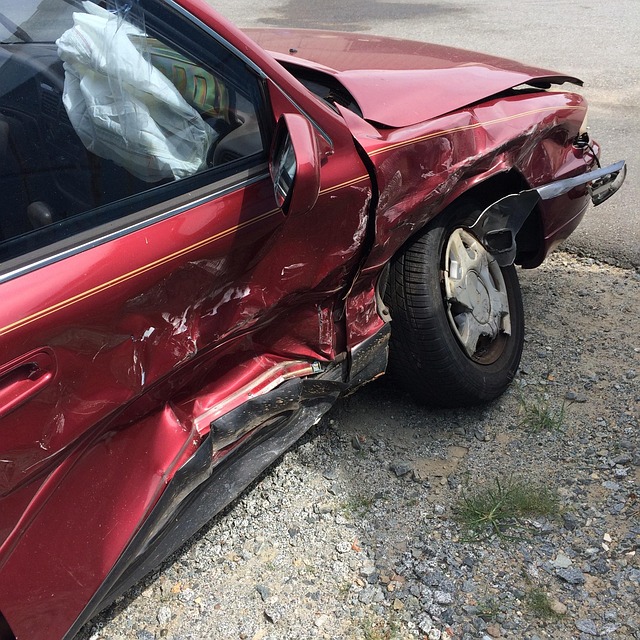
Chiropractic recovery for rear-end collision victims involves diagnosing and treating mechanical musculoskeletal disorders, especially spinal issues causing acute and chronic pain from whiplash injuries. Chiropractors use manual adjustments, soft tissue therapy, rehabilitation exercises, and other non-invasive methods to alleviate pain, restore mobility, and improve function, enhancing patients' quality of life. Early intervention significantly improves outcomes.
Long-Term Injury Prevention After a Rear-End Car Accident
Rear-end collisions, though seemingly minor, can lead to significant long-term injuries. This article delves into the lasting effects of such accidents, focusing on whiplash and associated conditions. We explore the critical role of chiropractic care in comprehensive recovery, offering natural relief for pain and improved mobility. Learn how victims can navigate post-accident rehabilitation, emphasizing the importance of seeking professional guidance, especially through chiropractic recovery for rear-end collision victims, to restore health and well-being.
- Understanding Long-Term Effects of Rear-End Collisions
- Chiropractic Care: A Comprehensive Recovery Strategy
- Recovering from Whiplash and Related Injuries Post-Accident
Understanding Long-Term Effects of Rear-End Collisions

The long-term effects of a rear-end car accident can be profound, often extending far beyond immediate physical damage. While some injuries may heal relatively quickly with proper chiropractic care and other treatments, others can lead to chronic pain and disability if not addressed adequately. Chiropractic recovery for rear-end collision victims plays a crucial role in managing these long-term effects.
Chiropractors specialize in the diagnosis and treatment of musculoskeletal disorders, which are frequently exacerbated by rear-end collisions. They employ various non-invasive techniques, including spinal manipulation and soft tissue therapy, to alleviate pain, improve mobility, and restore function. Regular chiropractic care can help prevent the development of chronic conditions like chronic whiplash, where symptoms persist for months or even years after the initial accident. By addressing underlying issues early and consistently, chiropractic recovery for rear-end collision victims enhances their overall well-being and quality of life in the long term.
Chiropractic Care: A Comprehensive Recovery Strategy

Chiropractic care plays a pivotal role in the comprehensive recovery of individuals who have suffered long-term injuries from rear-end car accidents. This type of healthcare focuses on the diagnosis and treatment of mechanical disorders of the musculoskeletal system, particularly the spine. For rear-end collision victims, chiropractic care offers a multi-faceted approach to address both acute and chronic pain associated with whiplash and other related injuries.
Chiropractors employ various techniques such as manual adjustments, soft tissue therapy, and rehabilitation exercises to alleviate pain, restore mobility, and improve overall function. Chiropractic recovery for rear-end collision victims is not just about treating symptoms but also focusing on the underlying structural issues caused by the impact. By addressing these issues, chiropractic care can significantly enhance the quality of life for those struggling with long-term effects from such accidents.
Recovering from Whiplash and Related Injuries Post-Accident

Recovering from whiplash and related injuries after a rear-end car accident is a crucial process that requires proper care and often specialized treatments. Whiplash, a common injury in such collisions, is characterized by neck pain, stiffness, and mobility issues due to strained or sprained muscles and ligaments. Chiropractic recovery for rear-end collision victims plays a significant role in managing these symptoms and facilitating a full recovery.
Chiropractic care offers a non-invasive approach to treating whiplash and associated injuries. Chiropractors focus on adjusting the spine and joints, targeting areas of tension and pain. This manipulation helps restore mobility, reduces inflammation, and promotes healing. Additionally, chiropractors may incorporate other therapeutic techniques like heat/ice therapy, electrical stimulation, and exercise programs tailored to individual patient needs. Early intervention and adherence to a chiropractic recovery plan can significantly improve outcomes for rear-end collision victims, ensuring they regain their range of motion and alleviate long-term pain and disability associated with whiplash injuries.
In conclusion, while rear-end car accidents may seem minor at first, they can lead to significant long-term injuries. Understanding the potential effects and seeking appropriate care is crucial for a full recovery. Chiropractic treatment offers a comprehensive approach for rear-end collision victims, addressing not just physical symptoms but also promoting overall well-being. By focusing on chiropractic recovery, individuals can effectively manage pain, restore mobility, and enhance their quality of life after such incidents.