
Chiropractic recovery for rear-end collision victims naturally focuses on managing pain and restoring mobility through adjustments, exercises, and education. Early intervention within 24-48 hours prevents chronic pain and long-term disabilities by addressing soft tissue damage and spinal misalignments. This comprehensive approach includes rest, ice, physical therapy, and tailored treatment plans for optimal long-term outcomes.
Rear-end collisions are among the most common types of motor vehicle accidents, often resulting in significant injuries for victims. The impact can lead to a range of issues, particularly for the spine, requiring expert care in chiropractic recovery for rear-end collision victims naturally. This article delves into the intricacies of managing such injuries, focusing on the role of chiropractic treatment in restoring natural spinal function and promoting holistic healing. By exploring evidence-based practices, we aim to provide valuable insights for those affected by these accidents, guiding them toward effective and natural recovery pathways.
- Understanding Rear-End Collision Injuries
- Chiropractic Care for Natural Recovery
- Optimizing Healing: Post-Accident Steps
Understanding Rear-End Collision Injuries

Rear-end collisions are a common occurrence on our roads, often resulting in a range of injuries to the occupants of the struck vehicle. Understanding these specific types of accidents and their potential effects is crucial for both victims and healthcare providers. Chiropractic care plays a significant role in the recovery process for rear-end collision victims, offering a natural approach to managing pain and restoring mobility.
Such collisions typically lead to a variety of musculoskeletal issues, with the most frequent injuries affecting the neck and back regions. Whiplash, for instance, is a well-documented consequence, characterized by neck stiffness and pain. This injury occurs due to the sudden acceleration and deceleration forces exerted on the head and neck during the crash. Chiropractic manipulation, combined with specific exercises, can effectively alleviate whiplash symptoms. A study published in the Journal of Manual Medicine revealed that chiropractic care significantly improved pain levels and reduced disability in patients suffering from whiplash-associated disorders.
In addition to neck injuries, rear-end collisions can also cause low back pain and other spinal misalignments. Chiropractic recovery for rear-end collision victims involves carefully adjusting the spine to promote healing and reduce nerve irritation. This natural form of healthcare focuses on addressing the root causes of pain rather than merely masking symptoms. By combining adjustments with patient education and specific home care routines, chiropractors empower individuals to actively participate in their recovery process. Early intervention and consistent care can lead to better outcomes and a faster return to normal activities.
Chiropractic Care for Natural Recovery

Rear-end collision victims often seek chiropractic care for effective recovery. Chiropractic recovery for rear-end accident injuries focuses on addressing not just physical symptoms but also promoting the body's natural healing mechanisms. Chiropractors employ non-invasive techniques such as spinal adjustments, soft tissue therapy, and exercises to alleviate pain and restore function. These methods are designed to facilitate the body's inherent ability to heal itself, providing a more natural and holistic approach to recovery.
A significant body of research supports chiropractic care as an effective treatment for post-collision injuries. A study published in the Journal of Manual Medicine found that chiropractic adjustments led to significant reductions in pain and improved mobility among rear-end collision victims compared to traditional medical treatments. Additionally, many patients report reduced reliance on medications and a higher satisfaction level with chiropractic recovery methods. Chiropractic care also offers the advantage of personalized treatment plans tailored to each patient's specific needs, ensuring more effective long-term outcomes.
Chiropractors emphasize the importance of early intervention in rear-end collision cases. Prompt chiropractic care can help prevent chronic pain and long-term disabilities by addressing potential spinal misalignments or soft tissue damage. For instance, a patient who experiences whiplash after a rear-end collision may benefit from regular chiropractic adjustments to support the neck and upper back, reducing the risk of ongoing issues. Furthermore, chiropractors often incorporate education on posture, ergonomy, and lifestyle modifications to enhance recovery and prevent future injuries.
By prioritizing natural chiropractic recovery, victims can expect a more comprehensive approach to their well-being. This holistic perspective not only alleviates immediate symptoms but also equips individuals with the knowledge and tools to maintain optimal health, ensuring better long-term outcomes following a rear-end collision.
Optimizing Healing: Post-Accident Steps
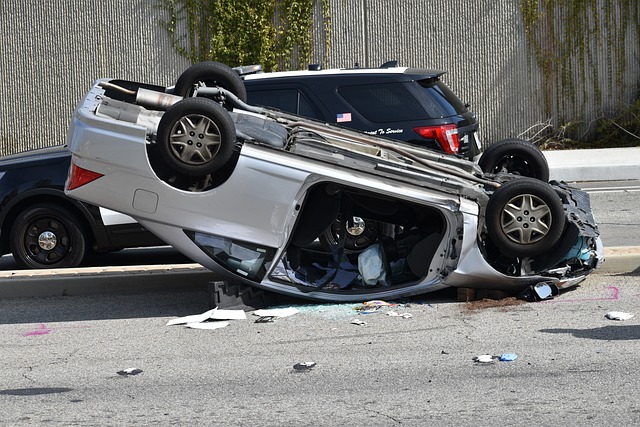
Following a rear-end collision, optimizing healing involves a multifaceted approach focused on both immediate post-accident care and long-term chiropractic recovery for rear-end collision victims. The initial 24-48 hours are critical. Victims should seek medical attention promptly to rule out serious injuries, even if symptoms seem minor. Resting, applying ice to reduce swelling, and elevating the affected area can significantly alleviate pain and inflammation. Over-the-counter pain relievers may provide temporary relief while allowing for better sleep, a crucial factor in healing.
Chiropractic care plays a pivotal role in the holistic recovery process. A chiropractor's expertise lies in addressing the soft tissues, muscles, and spine often affected in rear-end collisions. Manual adjustments and specialized therapies can help alleviate nerve compression, restore joint mobility, and reduce muscle tension. This natural approach to chiropractic recovery for rear-end collision victims focuses on identifying and correcting underlying issues rather than merely masking symptoms. Early intervention is key; studies show that those who begin chiropractic care within the first week after an accident often experience faster and more complete recovery.
In addition to standard care, incorporating exercises designed by a physical therapist can accelerate healing. These may include stretching routines for improved flexibility and strengthening exercises for core muscles, which support the spine. Maintaining a consistent workout regimen, combined with regular chiropractic adjustments, promotes optimal spinal health and prevents chronic pain from becoming a long-term issue. It's important to remember that every individual heals differently; therefore, adapting treatment plans based on ongoing assessments and patient feedback is essential for successful recovery.
Rear-end collision injuries often require a tailored approach to chiropractic care for optimal recovery. By understanding the specific impacts of these accidents, individuals can leverage chiropractic treatment as a natural means to heal. Key insights include recognizing symptoms such as neck pain, headaches, and back strain, which are common following rear-end collisions. Additionally, implementing post-accident steps like rest, ice application, and gentle movement promotes faster healing. Chiropractic care, with its emphasis on non-invasive techniques, plays a pivotal role in managing these injuries naturally. This article has equipped readers with valuable knowledge, highlighting the importance of early intervention and specialized chiropractic recovery for rear-end collision victims to enhance their journey towards full recovery.